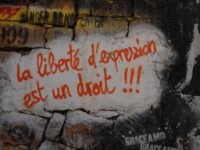
The Bill C-11 debate continued for hours in the House of Commons yesterday with a dispiriting discussion featuring MPs from all sides ignoring or exaggerating the implications of the bill. The debate often seemed to gravitate to two polar opposites: either the bill is China or North Korea-style censorship or it has no implications for freedom of expression and the regulation of user content. Both are false. To the claims of censorship, Bill C-11 is not China, Russia or Nazi Germany. As I’ve stated many times, it does not limit the ability to speak, but could impact the ability to be heard. That raises important implications for freedom of expression but it does not turn Canada into China. To the claims that user content regulation is excluded from the bill, Section 4.1(2)(b) and 4.2.2 clearly scope such content into the bill, an interpretation that has been confirmed by dozens of experts and the former Chair of the CRTC. Liberal and NDP MP claims to the contrary should be regarded as disinformation, a deliberate attempt to spread false information. Indeed, the Senate proposed a fix. The government rejected it. That was supposed to be the focus of the debate, yet Liberal MPs such as Kevin Lamoureux falsely claimed that there is no there there.
Archive for March 28th, 2023

Recent Posts
 Could Bill C-22 Make Canadians Less Safe? The Systemic Vulnerability Gap in Canada’s New Surveillance Law
  Why the Verdict on Social Media Defective Design Harming Children Gets the Instinct Right But the Law Wrong
  Scoping in the Tech Giants: Bill C-22’s International Production Order and the Shift to a Less Privacy-Protective Cross-Border Disclosure System
  The Law Bytes Podcast, Episode 263: The Lawful Access Act Roundtable With David Fraser and Robert Diab
  When Writing About Antisemitism Proves the Point: What the Replies Reveal
