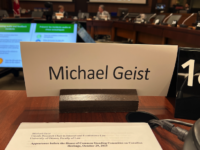
The government, led by AI Minister Evan Solomon, is currently conducting a short consultation on AI regulation that has attracted criticism for its short time frame. At the same time however, the Standing Committee on Canadian Heritage has been working through a study on AI and the creative sector that may be more limited in scope, but has featured a broader range of perspectives. I had the opportunity to appear before the committee yesterday where I lamented that too often debates on new technology is framed “as a threat, emphasizes cross-industry subsidies, and misses the opportunities new technology presents. We therefore need risk analysis that rejects entrenching the status quo and instead assesses the risks of both the technology and the policy response. I’ll post the full discussion (which ventured into AI transparency, copyright, the news sector, and much more) in a future Law Bytes podcast episode. In the meantime, my opening statement is embedded and posted below.

Recent Posts
 Regulator First, Rules Later: Bill C-34 Debate Shows the Government Wants a Digital Safety Commission Before It Figures Out What It Will Do
  Making the Case Against Its Own Bill: What the Government’s Bill C-34 Charter Statement Reveals About the Constitutional Vulnerability of the Social Media Ban
  “Position Has Not Changed”: The Canadian Government Reaffirms That Antisemitism Includes Anti-Zionism
  The Law Bytes Podcast, Episode 279: My Keynote on Digital Sovereignty: Control, Choice, and Connection
  The What, Me Worry? Consultation: Media Quietly Tells Government It Wants Even More Funding With Little Concern for Independence Risks
