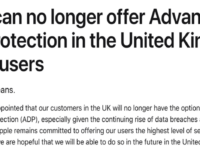
The lawful access debate in Canada has to date focused on privacy concerns such as access to subscriber information, mandatory metadata retention, and international production orders. But there is another dimension to Bill C-22 that has received less attention and may matter even more to the daily security of Canadians: the risk that the bill’s surveillance-capability requirements and lack of clarity about systemic vulnerabilities will make Canadians less secure. The international experience with similar laws is not reassuring, as it points to risks of hacking, removal of security features that protect users, and reduced investment and innovation. Bill C-22 heads in much the same direction.
Archive for April 8th, 2026

Recent Posts
 The Missing Charter Statement: Why Hasn’t the Government Explained How Bill C-34’s Social Media Ban Complies with the Charter?
  Three Years After October 7th: Living With the Shockwaves
  What If the U.S. Demanded This? The Cloud Provider Conditions Behind Canada’s EU Digital Pivot
  Ontario is Done Waiting for Universities to Act on Campus Antisemitism
  Is Compromise on Encryption Possible? Why Bill C-22’s “Minor Opening” Leaves the Central Question Unanswered
