
The new NAFTA – dubbed the USMCA or CUSMA depending on where you live – took a significant step forward recently with the introduction of Canadian legislation designed to ratify the treaty. The economic implications of the agreement are enormous, particularly with respect to digital issues and intellectual property. Myra Tawfik, a law professor at the University of Windsor and Senior Fellow with CIGI, joins the podcast this week to discuss Canada’s longstanding history of facing external pressure on copyright, the role that trade negotiations now play with that pressure, and the implications of the USMCA.
Search Results for "Law Bytes" : 862

Episode 14: Big Data, Privacy and Democracy: A Conversation With Nathaniel Erskine-Smith on the International Grand Committee
The debate over big data, privacy and its implications for democracy came to Ottawa last week as the International Grand Committee brought together the world’s biggest technology companies, politicians from around the world, and leading thinkers. Liberal MP Nathaniel Erskine-Smith, the Vice-Chair of the Standing Committee on Access to Information, Privacy, and Ethics joins the podcast this week to reflect on the three days of hearings, the prospect for global reforms, and what comes next for the committee.
Episode 13: Digital Charter or Chart: A Conversation With Teresa Scassa on Canada’s New Digital Charter
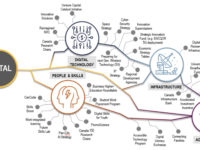
Years of public consultation on Canadian digital policy hit an important milestone last week as Innovation, Science and Economic Development Minister Navdeep Bains released the government’s Digital Charter. Canada’s Digital Charter touches on a wide range of issues, covering everything from universal Internet access to privacy law reform. To help sort through the digital charter and its implications, I’m joined on the podcast this week by Professor Teresa Scassa, a law professor at the University of Ottawa, where she holds the Canada Research Chair in Information Law and Policy.
Episode 9: The CRTC Watcher – A Conversation with FRPCs Monica Auer
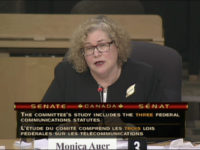
Many Canadians follow telecommunications and broadcast issues at the CRTC from a distance – the cost of wireless services, the speed of their Internet access, the availability of broadcasting choice. Others engage more closely on issues such as net neutrality, Cancon regulation, or Netflix taxes. But there is one Canadian who doesn’t just follow the CRTC. She watches it through the use of access to information laws that present a perspective on the CRTC that would otherwise remain hidden from view. Monica Auer, the Executive Director of the Forum for Research and Policy in Communications, joins the podcast this week to talk about insider access, slow reimbursement of costs for public interest groups, the number of CRTC meetings, and the Commission’s seeming indifference to commissioning original research. The interview is interspersed with comments from current CRTC Ian Scott taken from one of his first public speeches after being named chair in 2017.

Episode 6: “A Dangerous Game to Play:” A Former CRTC Vice-Chair Speaks Out on the Commission Plan to Regulate and Tax the Internet
For the better part of two decades, Canadian cultural groups have been pressing Canada’s telecom and broadcast regulator, the CRTC, to regulate and tax the Internet. The CRTC and successive governments consistently rejected the Internet regulation drumbeat, citing obvious differences with broadcast, competing public policy objectives such as affordable access, and the benefits of competition. That changed last year when the CRTC released Harnessing Change: The Future of Programming Distribution in Canada, in which it dramatically reversed its approach. Peter Menzies, a former CRTC commissioner and Vice-Chair of Telecommunications, joins this week’s LawBytes podcast to help sort through Cancon funding, Internet regulation, and the CRTC.

Recent Posts
 Going Through the Motions: How Parliament Is Shutting Down Study and Debate on Political Party Privacy
  Why The Senate Got Antisemitism Only Half-Right
  The Government Doubles Down on News Sector Support: Fiscal Update Opens the Door to Tens of Millions in Tax Credits for Bell, Rogers and Corus
  The Illusion of Protection: Why Canada’s Growing Push to Ban Social Media for Kids Won’t Work
  The Law Bytes Podcast, Episode 266: Justin Safayeni on the Ontario Government’s Overnight Evisceration of Access to Information
