
My Globe and Mail op-ed begins by noting that the Trump administration’s emphasis on tariffs continues to garner headlines, but a more consequential trade battle over data control is playing out with far less public attention. Last week, the U.S. released its annual report on trade barriers and for the first time, Canada was listed alongside dozens of other countries for seeking greater control over its own data. The message is clear: When countries enact laws that restrict where data is stored and who can access that information, the U.S. treats them as a trade threat.
Post Tagged with: "USTR"

The Online Streaming Act in Jeopardy: U.S. Takes Aim at the CUSMA Cultural Exemption With Threats of Bill C-11 Retaliation
From the moment it was first introduced as Bill C-10 in the fall of 2020, it was readily apparent that mandated payments by foreign streaming services to support Canadian content would face a trade backlash with the U.S., with the real prospect of trade retaliation. In fact, I wrote about the issue days after the bill was tabled, warning that an uneven playing field for benefits – foreign companies required to contribute but banned from benefiting – was a risky approach. Those warnings were dismissed by the government, cultural lobby groups, and supporters of the bill who assured critics that Canada’s cultural exemption under CUSMA provided a shield against U.S. retaliation.
It took years for Bill C-10 – later Bill C-11 – to become law as the Online Streaming Act, but now the bill has come due. Weeks after the U.S. Trade Representative (USTR) specifically identified Canadian digital laws as a target in CUSMA renegotiations, House Republicans introduced the Protecting American Streaming and Innovation Act, a bill that would mandate an investigation into the Canadian law and open the door not only to trade retaliation but also to a change in how the cultural exemption is applied.
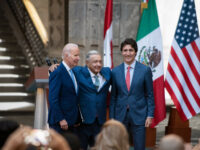
“Ongoing Concerns”: U.S. Objections to Canadian Digital Policies Spreads to the Senate
U.S. concerns with Canadian digital policy continues to mount with both the U.S. Administration and Senators from both parties raising fears of discrimination. U.S. pressure seems likely to grow as the issue emerges as a major irritant in the bi-lateral trade relationship with Canada’s most important trading partner. With U.S. President Joe Biden scheduled to visit Ottawa later this winter, it seems likely that digital policy – particularly a proposed digital services tax, Bill C-11, and Bill C-18 – will be on the agenda at the meeting.
The latest signals came last week at a bilateral meeting between U.S. and Canadian trade officials. The U.S. readout of the meeting states:
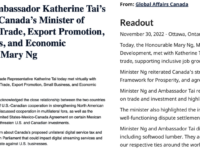
A Tale of Two Readouts: U.S. Escalates Trade Concerns With Canadian Digital Policy as Canada Seeks To Downplay the Issue
Canadian International Trade Minister Mary Ng and U.S. Trade Representative Katherine Tai met yesterday to discuss Canada-U.S. Trade issues and concerns regarding Canada’s digital policy – most notably a proposed digital sales tax and Bills C-11 and C-18 – continue to mount. The U.S. raised digital policy concern over the summer, specifically citing Bill C-11 with a reference to “pending legislation in the Canadian Parliament that could impact digital streaming services.” The latest readout suggests that the concerns are growing, as the U.S. now cites both Bills C-11 and C-18 by raising “pending legislation in the Canadian Parliament that could impact digital streaming services and online news sharing and discriminate against U.S. businesses.”
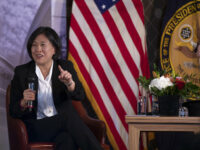
The Bill C-11 Hearings Are Back, Part Four: The Risks of a Trade Challenge and Tariff Retaliation
The first three posts in this series on Bill C-11 have focused on the risks of regulating user content, the risks to Canadian creators, and the risks of increased consumer costs and less competition. Today’s post identifies another risk with the bill: the prospect of a trade challenge under the CUSMA that could lead to billions on tariff retaliation that target some of Canada’s most important economic sectors. The possibility of a U.S. trade battle over the bill is no idle speculation even if downplayed this week by an official from Global Affairs. This summer, U.S. Trade Representative Katherine Tai raised the issue directly with Canadian Minister of International Trade Mary Ng. While the Canadian readout of the meeting notably excluded any reference to the issue, it was cited in the U.S. readout of the meeting:

Recent Posts
 Years of Uncertainty: Bill C-22’s Missing Regulations and Secret Ministerial Orders
  The Missing Charter Statement: Why Hasn’t the Government Explained How Bill C-34’s Social Media Ban Complies with the Charter?
  Three Years After October 7th: Living With the Shockwaves
  What If the U.S. Demanded This? The Cloud Provider Conditions Behind Canada’s EU Digital Pivot
  Ontario is Done Waiting for Universities to Act on Campus Antisemitism
