In December 2017, the Canadian government launched its much-anticipated and much-lobbied review of Canadian copyright law, tasking the Standing Committee on Industry, Science and Technology to lead the way. After months of study and hundreds of witnesses and briefs, the committee released its authoritative report with 36 recommendations earlier this month. Carys Craig, a law professor at Osgoode Hall Law School and one of Canada’s leading copyright law experts, joins the podcast to help sort through the report and to consider what it means for the future of Canadian copyright law.
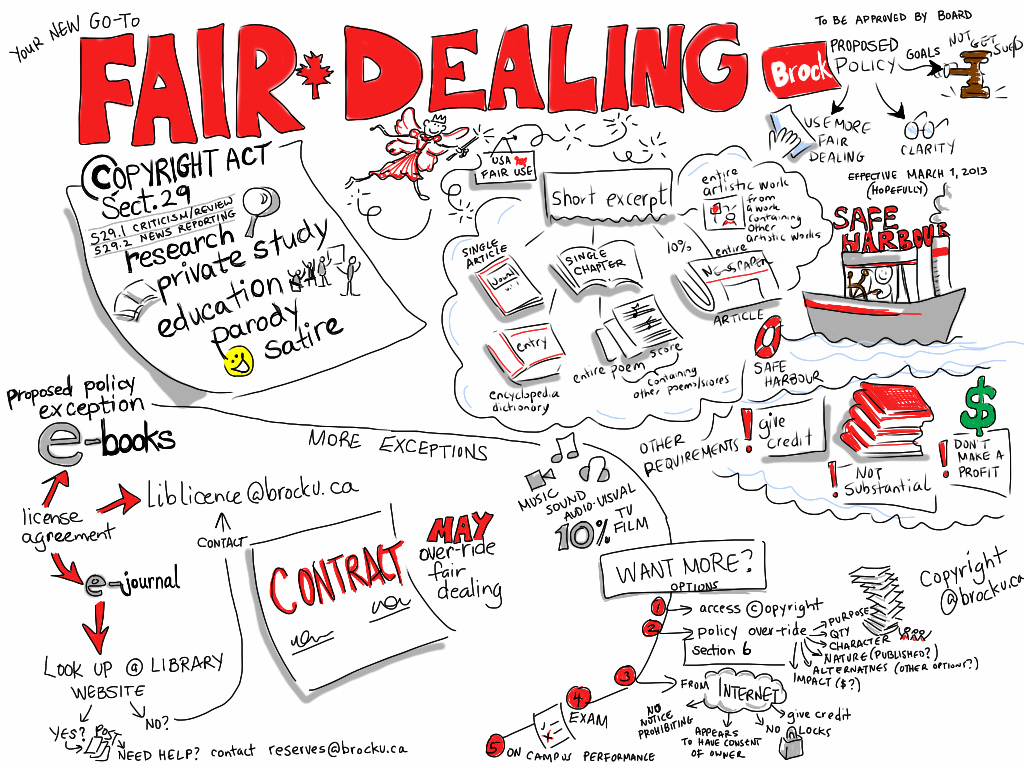
Fair Dealing by Giulia Forsythe (CC BY-NC-SA 2.0) https://flic.kr/p/dRkXwP
Copyright

The LawBytes Podcast, Episode 15: Cows, Cars, and Copyright – A Conversation With Myra Tawfik on the IP Concerns With Implementing the USMCA
The new NAFTA – dubbed the USMCA or CUSMA depending on where you live – took a significant step forward recently with the introduction of Canadian legislation designed to ratify the treaty. The economic implications of the agreement are enormous, particularly with respect to digital issues and intellectual property. Myra Tawfik, a law professor at the University of Windsor and Senior Fellow with CIGI, joins the podcast this week to discuss Canada’s longstanding history of facing external pressure on copyright, the role that trade negotiations now play with that pressure, and the implications of the USMCA.

Fixing Fair Dealing for the Digital Age: What Lies Behind the Copyright Review’s Most Important Recommendation
The long-awaited Canadian copyright review report features numerous good recommendations, many of which were rejections of industry lobbying: a rejection of new restrictions on fair dealing for education, rejection of Bell’s FairPlay site blocking initiative, and rejection of limits on safe harbours in response to the so-called “value gap.” Yet the most notable recommendation is the committee’s support for fair dealing for the digital age by expanding its scope and ensuring that it applies equally in the analog and digital worlds.
I wrote about the need to fix fair dealing for the digital age in May 2018:

The Authoritative Canadian Copyright Review: Industry Committee Issues Balanced, Forward-Looking Report on the Future of Canadian Copyright Law
In December 2017, the government launched its copyright review with a Parliamentary motion to send the review to the Standing Committee on Industry, Science and Technology. After months of study and hundreds of witnesses and briefs, the committee released the authoritative review with 36 recommendations that include expanding fair dealing, a rejection of a site blocking system, and a rejection of proposals to exclude education from fair dealing where a licence is otherwise available. The report represents a near-total repudiation of the one-sided Canadian Heritage report that was tasked with studying remuneration models to assist the actual copyright review. While virtually all stakeholders will find aspects they agree or disagree with, that is the hallmark of a more balanced approach to copyright reform.

Canada Introduces USMCA Implementation Bill…Without a General Copyright Term Extension Provision
The Canadian government tabled Bill C-100 yesterday, the bill to implement the Canada-US-Mexico Trade Agreement. I will have future post on the key provisions, which include new criminal provisions on trade secrets and tampering with rights management information. The bill also features several provisions related to copyright term but notably does not touch the current general copyright term of life of the author plus an additional 50 years. There are several new terms included in the bill with extensions for anonymous works, performances in sound recordings, sound recordings, and cinematographic works. The bill expressly states that none of the extensions are retroactive which means that the works that are currently in the public domain will remain there even after the new terms are established.

Recent Posts
 Years of Uncertainty: Bill C-22’s Missing Regulations and Secret Ministerial Orders
  The Missing Charter Statement: Why Hasn’t the Government Explained How Bill C-34’s Social Media Ban Complies with the Charter?
  Three Years After October 7th: Living With the Shockwaves
  What If the U.S. Demanded This? The Cloud Provider Conditions Behind Canada’s EU Digital Pivot
  Ontario is Done Waiting for Universities to Act on Campus Antisemitism
