The mainstream media has picked up on the lawful access non-consultation story with coverage on CTV, Canwest, and CBC.ca. CTV has now posted a copy of the consultation document, but reports indicate that Public Security has had a change of heart and will now post it online and extend the […]
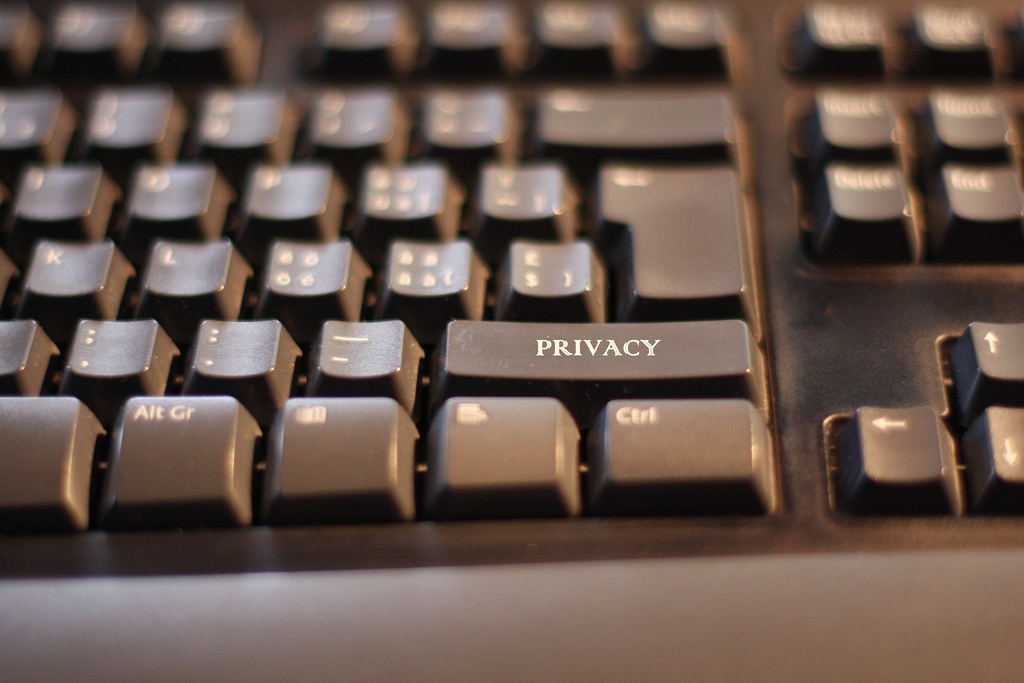
Wiertz Sebastien - Privacy by Sebastien Wiertz (CC BY 2.0) https://flic.kr/p/ahk6nh
Privacy
Privacy Commissioner Expresses Concern Over Google Street View
The Privacy Commissioner of Canada has released a public letter she recently sent to Google expressing misgivings about the privacy implications of Google Street View. The Commissioner is of the view that the service, which has not yet been introduced in Canada, may not comply with Canadian privacy law.
Public Safety Canada Quietly Launches Lawful Access Consultation
Public Safety Canada and Industry Canada have quietly launched a semi-public consultation on one element of lawful access. The new consultation, which concludes on September 25th, asks for comments on the provision of customer name and address information by telecommunications companies to law enforcement. The consultation has not been posted […]
Sick Kids Doctor Loses Data on 3,300 Patients
The Toronto Star reports that a doctor at the Hospital for Sick Children lost an external hard drive containing data on 3,300 patients just weeks after the Ontario Privacy Commissioner warned against removing electronic health records from the hospital.
LSAC Complies with Privacy Commissioner Finding
A student discussion forum confirms that the LSAC has substituted fingerprinting with a photograph for students who take the LSAT exam.

Recent Posts
 Buried in Bill C-39: The Enabling Digital Trade Act Brings Canada Its First Federal Electronic Trade Documents Law
  A Definition That Meets the Moment: Federal Government Recognizes Antisemitism Includes Anti-Zionism
  Nobody Can Say They Weren’t Warned: Canada’s Threat Assessments Predicted the Belleville Yom Kippur Attack
  An AI Transparency Act for Canada: My Submission to the Government’s AI Transparency Consultation
  Not If, But When: The Yom Kippur Terror Attack in Belleville
