
The deadline for submissions to the government’s Broadcasting and Telecommunications Legislative Review Panel passed last week. I posted my submission yesterday, joined by several other organizations representing differing perspectives (CRTC, CBC, Friends of Canadian Broadcasting, Writers Guild of Canada, Internet Society Canada Chapter, CMCRP). However, public availability of submissions will apparently be the exception for the foreseeable future. The panel has rejected an open and transparent policy making process in which public submissions are publicly available, choosing instead to keep the submissions secret for months.
Search Results for "c-11" : 411

The Best of a Bad Situation?: Why Tax Incentives Are Better Than Regulation and Cross-Subsidization to Support Canadian Journalism
The challenges faced by the Canadian media sector represent an incredibly challenging policy issue for the government. The struggles to adapt to heightened competition in the digital environment – the local paper now competes with a myriad of alternative choices – has led to layoffs, closures, and intense lobbying for a bailout. For the past few years, the government has largely resisted the lobbying efforts, recognizing the risks to the independence and trust in media that can come from government funding for the media itself. While concerns about government influence over the media and journalists are nothing new (I appeared before two Senate committees yesterday which both featured prominent former journalists), there is a difference between the prospect of future appointments and the perception of cash for favourable coverage.

One-Sided Story: Lobbyist Data Shows Music, Movie and Publisher Groups Account For 80 Per cent of Registered Copyright Meetings in Canada Since 2015 Election
Canadian Heritage Minister Pablo Rodriguez travelled to Toronto last week, providing an opportunity for the newly-named minister to meet with cultural groups. With many of the biggest rights holder groups tweeting out the meet and greet (CMPA, Writers Guild, Access Copyright, ACTRA, ACP), the visit sent a signal that the new minister is readily available to hear creator community concerns. While Rodriguez should obviously take the time to meet with all stakeholders, an extensive review of lobbying records related to copyright since the 2015 election reveals that 80 per cent of registered copyright meetings for government officials, including policy makers, political staffers, Ministers and Parliamentary Secretaries, have been with rights holder groups. The behind-the-scenes imbalance runs counter to oft-heard claims regarding the influence of companies such as Google and suggests a diminished voice for education, innovative companies, and users on copyright policy.
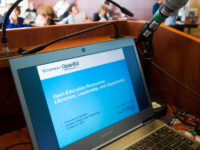
Canadian Copyright, Fair Dealing and Education, Part Four: Fixing Fair Dealing for the Digital Age
My series on Canadian copyright, fair dealing, and education has explored spending and revenue data at universities and publishers, explained the diminishing value of the Access Copyright licence, and conducted a detailed analysis of site licensing on Canadian campuses which demonstrates the foundation for accessing works are the site licences that offer greater flexibility and value than the Access Copyright licence. The series has also shown how some of the publishers who have been most critical of fair dealing are also the ones that have benefited the most from licensing their e-books to educational institutions.
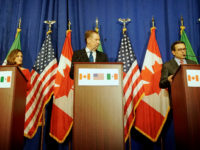
Never Enough: U.S. Seeks NAFTA Negotiating Edge By Elevating Canada on Piracy Watch List
The U.S. released its annual piracy watch list last week, elevating Canada to the priority watch list alongside countries such as China and Russia. If that sounds implausible, that’s because it is. The U.S. has long used its annual report on IP issues to exert pressure on other countries and this year is no different. Indeed, with the IP chapter still unresolved in the NAFTA negotiations, the decision to elevate Canada appears to be an obvious effort to place negotiators on the defensive. In doing so, the U.S. has further undermined the credibility of a review process that is widely recognized as little more than a lobbying exercise.

Recent Posts
 The Law Bytes Podcast, Episode 269: Inside the Bill C-22 Committee Hearing for the Case Against Government’s Lawful Access Plans
  The Online Streaming Act Bill Comes Due: Why the CRTC’s Latest Ruling Guarantees Years of Trade and Legal Battles
  The Government Tries to Make the Case for Bill C-22: Why Its Own Use Cases Reveal Disproportionate Overreach
  Tech Exodus: Why Bill C-22’s Privacy and Security Risks Will Drive Digital Services Out of the Country
  The Lawful Access Two-Headed Surveillance Monster: How Bill C-22 Went Off the Rails
