Just as Bill C-22, the Lawful Access Act, is under study at the House Standing Committee on Public Safety and National Security (I review my appearance yesterday in this post) U.S. Congressional leaders have written to Public Safety Minister Gary Anandasangaree warning that the bill threatens to harm “U.S. national security and economic interests by undermining trust in American technology and inviting reciprocal demands from other nations.” The message is clear: U.S. leaders are concerned that lawful access demands go so far as to compromise the privacy not only of Canadians, but of Americans too.
Archive for May 8th, 2026
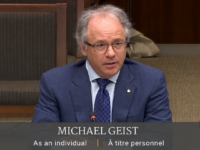
Make It Make Sense: My Appearance Before the Standing Committee on Public Safety and National Security on Bill C-22’s Lawful Access Plan
Fresh off appearing before a Senate committee on AI on Wednesday, yesterday I provided expert testimony to the Standing Committee on Public Safety and National Security as part of its study on Bill C-22, the government’s latest lawful access plan. Appearing alongside David Fraser and Robert Diab (the same trio that discussed the bill on my Law Bytes podcast), I opened my remarks by noting that technologies change, the governments may change, but the challenge with lawful access has always been the same: to give law enforcement and security agencies the tools they need to address serious crime while respecting Canadians’ privacy rights and the constitutional framework the Supreme Court has built around privacy in decisions such as Spencer and Bykovets. I focused on three major concerns with the bill, including mandatory metadata retention, the inadequacy of the systemic vulnerability safeguards, and the lowering of the production order threshold for subscriber information. My full opening statement is embedded below.

Recent Posts
 The Missing Charter Statement: Why Hasn’t the Government Explained How Bill C-34’s Social Media Ban Complies with the Charter?
  Three Years After October 7th: Living With the Shockwaves
  What If the U.S. Demanded This? The Cloud Provider Conditions Behind Canada’s EU Digital Pivot
  Ontario is Done Waiting for Universities to Act on Campus Antisemitism
  Is Compromise on Encryption Possible? Why Bill C-22’s “Minor Opening” Leaves the Central Question Unanswered
