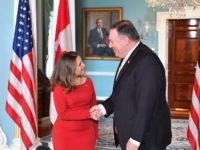
As the NAFTA negotiations continue to inch along, one of the remaining contentious issues is the inclusion of a full cultural exception that would largely exclude the Canadian culture industries from the ambit of the agreement. The government has not been shy about speaking out against compromising on culture, noting the perceived risks of provisions that might permit foreign ownership of media organizations. Indeed, the culture issue has attracted considerable attention, with coverage pointing to media ownership rules and simultaneous substitution policies as hot button concerns. Yet as cultural groups cheer on the government’s insistence that cultural policy should be taken off the NAFTA table, the reality is that there remains plenty of room for compromise. This post focuses on three of the biggest issues: foreign ownership, simultaneous substitution, and the TPP culture exceptions.
Archive for September 13th, 2018

Recent Posts
 The Law Bytes Podcast, Episode 280: A Fall Update on Where Things Stand on Canadian Digital Policy Reforms
  The Wrong Ban: The Heritage Committee Backed a Targeted Ad Ban for Kids and Stopped Short of a Social Media Ban, Yet the Government Chose the Reverse
  Regulator First, Rules Later: Bill C-34 Debate Shows the Government Wants a Digital Safety Commission Before It Figures Out What It Will Do
  Making the Case Against Its Own Bill: What the Government’s Bill C-34 Charter Statement Reveals About the Constitutional Vulnerability of the Social Media Ban
  “Position Has Not Changed”: The Canadian Government Reaffirms That Antisemitism Includes Anti-Zionism
