
Last week, I posted on the results of this summer’s online harms consultation, which remains shrouded in secrecy as the Canadian government still refuses to disclose the hundreds of submissions it received. That post focused on the common concerns raised in the submissions as pulled from my ongoing blog post that features links to dozens of submissions that have been independently posted. This second post highlights frequently cited recommendations. These recommendations are particularly important given that the mandate letter for Canadian Heritage Minister Pablo Rodriguez indicates that any online harms legislation “should be reflective of the feedback received during the recent consultations.”
Post Tagged with: "canadian heritage"

The (Still Secret) Online Harms Consultation: What the Government Heard, Part One
The results of this summer’s online harms consultation remains largely shrouded in secrecy as the Canadian government still refuses to disclose the hundreds of submissions it received. Canadian Heritage Minister Pablo Rodriguez now leads the file, but he has said little about his department’s plans or explained why a public consultation should not feature public availability of the submissions. I have maintained an ongoing blog post with links to dozens of submissions that have been independently posted. While even a cursory review reveals widespread criticism, I’ve worked with the University of Ottawa law student Pelle Berends to do a deeper dive on the available submissions. This first post identifies the common concerns raised in the submissions with a chart breaking down the positions posted below. A second post will highlight frequently raised recommendations.
The Law Bytes Podcast, Episode 109: Striking the Balance on Misinformation and Freedom of Expression – My Examination of Canadian Policy Solutions
The Canadian Parliament is set to resume this week and it’s a safe bet that Internet regulation will be part of the legislative agenda in the coming months. One of the toughest policy issues involve misinformation, which can be difficult to define and potentially to regulate. The Canadian Commission on Democratic Expression was established in spring 2020 with a three-year mandate to better understand, anticipate, and respond to the effects of new digital technologies on public life and Canadian democracy. As part of its work, it created a Citizens’ Assembly comprised of Canadians from across the country who recently gathered for several days to debate disinformation online. Last week, I was honoured to deliver a dinner speech to the group followed by a facilitated discussion. This week’s podcast features a recording of that lecture with the slides posted here.

The Law Bytes Podcast, Episode 108: Scott Benzie on How Bill C-10 Ignored Canada’s Thriving Digital First Creators
The Canadian digital first creator economy isn’t something that politicians or policy makers seem to know much about, but they are quick to propose legislative reforms that directly implicate it, most recently in the form of Bill C-10. Yet the sector is thriving, with Canadian stars earning millions of dollars and attracting global audiences that often exceed Canada’s conventional film and television sector.
Scott Benzie, the CEO of Buffer Festival, started in traditional media but now advocates and works with creators, platforms and industry around online content. He joins me on the podcast to discuss the current state of digital first creators in Canada, their omission from the Bill C-10 process, and the formation of Digital First Canada, a new advocacy group to better represent the needs of the community.
The Law Bytes Podcast, Episode 106: Former Canadian Heritage Committee Chair Scott Simms Goes Behind the Scenes of the Bill C-10 Hearing
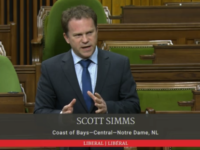
Scott Simms, a Liberal MP from Newfoundland for 17 years, was long recognized as a leading voice on Parliament Hill on cultural and digital policy. Simms recently served as the chair of the Standing Committee on Canadian Heritage, which conducted the review of Bill C-10 and which placed him at the heart of one of the year’s more controversial pieces of proposed legislation. Simms was not re-elected this past fall and is now well positioned to reflect on policy making in Canada and the issues that arose with Bill C-10. He joins the Law Bytes podcast for a conversation about the bill, his suggestions for how the process can be improved, and his thoughts on the challenges of crafting forward-looking digital policies.

Recent Posts
 The Missing Charter Statement: Why Hasn’t the Government Explained How Bill C-34’s Social Media Ban Complies with the Charter?
  Three Years After October 7th: Living With the Shockwaves
  What If the U.S. Demanded This? The Cloud Provider Conditions Behind Canada’s EU Digital Pivot
  Ontario is Done Waiting for Universities to Act on Campus Antisemitism
  Is Compromise on Encryption Possible? Why Bill C-22’s “Minor Opening” Leaves the Central Question Unanswered
