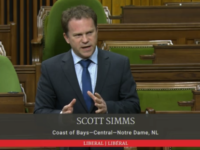
Scott Simms, a Liberal MP from Newfoundland for 17 years, was long recognized as a leading voice on Parliament Hill on cultural and digital policy. Simms recently served as the chair of the Standing Committee on Canadian Heritage, which conducted the review of Bill C-10 and which placed him at the heart of one of the year’s more controversial pieces of proposed legislation. Simms was not re-elected this past fall and is now well positioned to reflect on policy making in Canada and the issues that arose with Bill C-10. He joins the Law Bytes podcast for a conversation about the bill, his suggestions for how the process can be improved, and his thoughts on the challenges of crafting forward-looking digital policies.
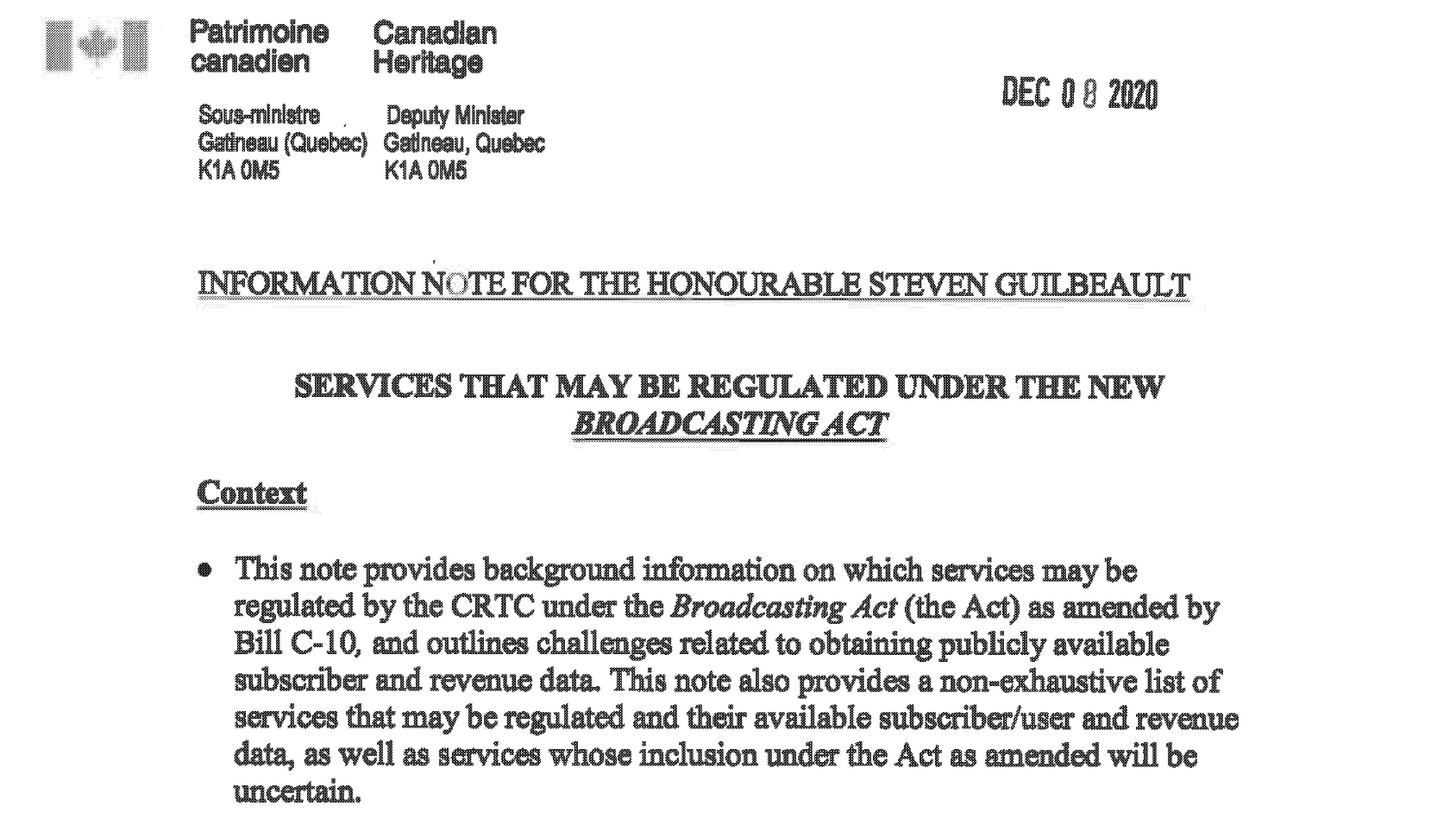
Canadian Heritage Memorandum, December 8, 2020, ATIP A-2020-00498
Bill C-10

The Law Bytes Podcast, Episode 105: NDP MP Charlie Angus on Canada’s Failed Digital Policy and His Hopes for the Next Parliamentary Session
NDP MP Charlie Angus has been a consistent – and persistent – voice on digital policies since his election to the House of Commons in 2004. He was one of the first MPs to seriously consider user rights within Canadian copyright law, a vocal supporter of net neutrality and more affordable wireless services, and a leading advocate for privacy protection and social media regulation.
Last week, Angus called a press conference to unveil his six point plan for digital policy, which emphasized accountability, privacy reform, and algorithmic transparency. Along the way, he derided the government’s Bill C-10 efforts as a political dumpster fire and voiced support for the creation of a new officer of parliament charged with responsibility for social media regulation. Charlie Angus joins the Law Bytes podcast this week to reflect on the failed bill C-10 and C-11, his concerns with the online harms consultation, and his hopes for the coming parliamentary session.

The Liberal Election Platform: Government Picks Internet Regulation Over Internet Affordability
The Liberal party released its election platform yesterday and perhaps everything you need to know can be gleaned from the fact that Canadian Heritage Minister Steven Guilbeault posted multiple tweets about plans for new cultural spending initiatives and Internet regulations in French without a single English language tweet. This is surely not a coincidence since the government’s digital policies have long been designed to curry favour in Quebec, even at risk of angering voters in the rest of Canada. Based on decision to forge ahead with Internet regulations with enormous implications for freedom of expression, alienating voters in the rest of Canada that have raised concerns with policies such as Bill C-10 is not a worry for the Liberal government.
Neither, it would seem, is the affordability of Internet and wireless services, which do not receive a single mention or direct policy measure. In doing so, the party has seemingly abandoned wireless competitiveness as an issue and unequivocally sided with the big telecom companies despite presiding over some of the world’s most expensive wireless services. The party platform is titled “Forward for Everyone” but not everyone moves forward in quite the same way with big telecom companies moving further ahead than Canadian consumers.

The Conservative Election Platform: Freedom of Expression Commitment Tainted By Support for Payments for Links, Restrictions on Fair Dealing
The Conservative Party released its election platform yesterday, providing a lengthy document that covers a myriad of policy issues. From a digital policy perspective, there are positions sprinkled throughout the document, covering everything from a new innovation policy (an issue that the Liberals de-emphasized over the past two years and the Conservatives are right to target) to labour rights for gig workers.
On many issues, the reality is the policy platform isn’t all that different from the Liberal government’s approach.

Picking Up Where Bill C-10 Left Off: The Canadian Government’s Non-Consultation on Online Harms Legislation
The Canadian government released its plans yesterday for online harms legislation with a process billed as a consultation, but which is better characterized as an advisory notice, since there are few questions, options or apparent interest in hearing what Canadians think of the plans. Instead, the plans led by Canadian […]

Recent Posts
 The Missing Charter Statement: Why Hasn’t the Government Explained How Bill C-34’s Social Media Ban Complies with the Charter?
  Three Years After October 7th: Living With the Shockwaves
  What If the U.S. Demanded This? The Cloud Provider Conditions Behind Canada’s EU Digital Pivot
  Ontario is Done Waiting for Universities to Act on Campus Antisemitism
  Is Compromise on Encryption Possible? Why Bill C-22’s “Minor Opening” Leaves the Central Question Unanswered
