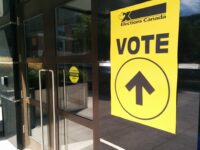
Digital issues were expected to garner attention in the 2019 Canadian federal election campaign. Over the course of the past few weeks, all the main political parties have had something to say about the high cost of cellphone prices in Canada and the prospect of implementing new taxes on tech companies. Laura Tribe, the Executive Director of OpenMedia, joined the podcast to talk about election 2019 and digital policies in a conversation that focused on wireless services and Internet taxes as well as privacy, intermediary liability, trade, and copyright.

Telecom by yum9me (CC BY-NC-ND 2.0) https://flic.kr/p/53jSy4
Telecom

The LawBytes Podcast, Episode 26: There Is No Crisis – Dwayne Winseck on the State of Canadian Communications, Media and Cultural Policy
The future of Canadian communications law has emerged as political hot potato in recent weeks with political parties engaged in finger pointing over who is acting – or failing to act – on issues closely aligned to cultural policy. Just prior to the election call, Dwayne Winseck, a professor at Carleton who has been one of Canada’s most prominent experts on communications and cultural policy, joined the podcast to provide his take on the initial report from the Broadcasting and Telecommunications Legislative Review Panel, the tech-lash against companies such as Google and Facebook, and what the numbers tell us about the state of media and advertising in Canada.

Can Price Caps or Virtual Competitors Solve Canada’s Wireless Pricing Problem?
Responding to years of consumer frustration with the state of Canadian wireless pricing, Canada’s political parties have propelled the issue on to the election campaign agenda. The telecom giants will disagree, but study after study has found that Canadians pay more for wireless services than consumers in most other developed economies. But though just about everyone agrees we have a problem, my Globe and Mail op-ed notes there remains considerable debate over what to do about it.

The LawBytes Podcast, Episode 25: The CRTC Decision on Competitive Internet Pricing – A Conversation With George Burger
Last month, Canada’s telecom regulator, the CRTC, issued its final decision in a lengthy battle over the rates that independent Internet providers pay for wholesale access to the broadband networks run by big incumbents such as Bell and Rogers. The Commission slashed previous rates and made its decision retroactive, an approach that sparked anger and lawsuits from the incumbents who are now in Canadian courts seeking to overturn the ruling and stop it from taking effect. Meanwhile, several Canadian independent ISPs wasted no time in responding to the decision, dropping their consumer prices and neatly illustrating the impact of lower rates and more competition. George Burger, one of the founders of vMedia and a frequent commentator on Canadian telecom issues, joined me on the podcast to discuss the decision and the state of competition for Canadian Internet services.

The Cultural Lobby Demands for Internet Taxes and Fees: The Forgotten Piece in Canada’s Lower Wireless and Internet Cost Puzzle
Over the past few weeks, both the National Post and Reuters have reported that the Liberals plan to include lower Internet and wireless costs as part of the fall election campaign. The reports indicate that reforms could include price caps or a firm commitment to facilitating the entry of new competitors in the form of mobile virtual network operators (MVNOs). I’ve posted regularly on Canada’s high wireless prices and efforts to address the issue (here, here, here, here, and here), which remain uncompetitive relative to many other countries (some of the reasons why are discussed in this LawBytes podcast episode with Antonios Drossos of Rewheel Research).

Recent Posts
 The Law Bytes Podcast, Episode 279: My Keynote on Digital Sovereignty: Control, Choice, and Connection
  The What, Me Worry? Consultation: Media Quietly Tells Government It Wants Even More Funding With Little Concern for Independence Risks
  Years of Uncertainty: Bill C-22’s Missing Regulations and Secret Ministerial Orders
  The Missing Charter Statement: Why Hasn’t the Government Explained How Bill C-34’s Social Media Ban Complies with the Charter?
  Three Years After October 7th: Living With the Shockwaves
