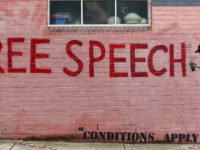
Internet free speech is not typically an issue associated with trade agreements, but a somewhat overlooked provision in the newly-minted U.S.-Mexico-Canada Agreement (USMCA) promises to safeguard freedom of expression by encouraging Internet companies to resist pressure to remove content. My Policy Options op-ed notes the USMCA’s Internet safe harbour rule – modelled on U.S. law – remedies a longstanding problem in Canada that left large Internet platforms reluctant to leave third party content such as product reviews, blog posts, and social media commentary online in the face of unsubstantiated complaints.
Archive for October 5th, 2018

Recent Posts
 Years of Uncertainty: Bill C-22’s Missing Regulations and Secret Ministerial Orders
  The Missing Charter Statement: Why Hasn’t the Government Explained How Bill C-34’s Social Media Ban Complies with the Charter?
  Three Years After October 7th: Living With the Shockwaves
  What If the U.S. Demanded This? The Cloud Provider Conditions Behind Canada’s EU Digital Pivot
  Ontario is Done Waiting for Universities to Act on Campus Antisemitism
