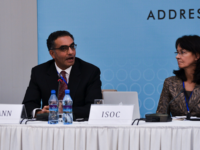
The dot-org domain extension was established as one of the first top-level domains in 1985 alongside dot-com, dot-net and a handful of others. In 2002, administration over the domain was awarded to the Public Interest Registry (PIR), a non-profit established by the Internet Society (ISOC), to run the extension. PIR recently announced that it was being purchased by Ethos Capital, a private equity firm that includes a former CEO of ICANN among its founders. With a rumoured purchase price of over $1 billion dollars, there is big money for ISOC but the deal has left the non-profit community worried about potential price increases and policy changes to the domain that could impact online speech. Elliot Harmon, Activism Director with the Electronic Frontier Foundation, recently wrote about the issue and has been working on a campaign with NGOs around the world opposed to the deal. He joined on the podcast to discuss the background behind dot-org, the concerns with the sale, and what can be done about it.
Archive for December 2nd, 2019
Recent Posts
 From Making Web Giants Pay to Paying Media Giants: Budget 2026 Replaces the Government’s Internet Platform Strategy With $1.5 Billion in Taxpayer Dollars for Culture and News
 Has the Government Read Its Own Bill? What Three Days of House Debate Revealed About Bill C-34 Before the Committee Hearings Begin
 Surveillance By Design: Government Officials Say Lawful Access Could Reach Gaming Platforms, Daycares and AI Services
 Canada’s First Digital Trade Agreement: Why the Canada-EU Deal Will Likely Follow Europe’s Template and What That Means for Canadian Digital Law
 The Law Bytes Podcast, Episode 281: Mikolaj Barczentewicz on Europe’s Digital Sovereignty Push, CADA, and the Implications for Canada
