I appeared on The Jill Bennett Show on July 27, 2026. In the episode, we discussed the prospects for news returning to Facebook and Instagram in Canada, Meta’s proposal to the government, and the impact of the Online News Act on news organizations. The link to the episode is here.
Archive for July 27th, 2026
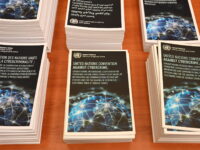
The Law Bytes Podcast, Episode 277: Kate Robertson on the Risks That Lie Behind Canada’s Unexpected Signing of the UN Cybercrime Convention
The Canadian government’s surprise decision to sign the UN Cybercrime Convention has sparked many questions about the convention, its risks, and what changed over the past nine months between Canada no-showing the signing in Vietnam and this month’s reversal. To help answer those questions, there is no one better than Kate Robertson, a senior research associate at the Citizen Lab, who has been vocal on the convention since negotiations began years ago. She joins the Law Bytes podcast to discuss her concerns and how the Convention fits within the broader global political and policing frameworks.

Recent Posts
 Years of Uncertainty: Bill C-22’s Missing Regulations and Secret Ministerial Orders
  The Missing Charter Statement: Why Hasn’t the Government Explained How Bill C-34’s Social Media Ban Complies with the Charter?
  Three Years After October 7th: Living With the Shockwaves
  What If the U.S. Demanded This? The Cloud Provider Conditions Behind Canada’s EU Digital Pivot
  Ontario is Done Waiting for Universities to Act on Campus Antisemitism
