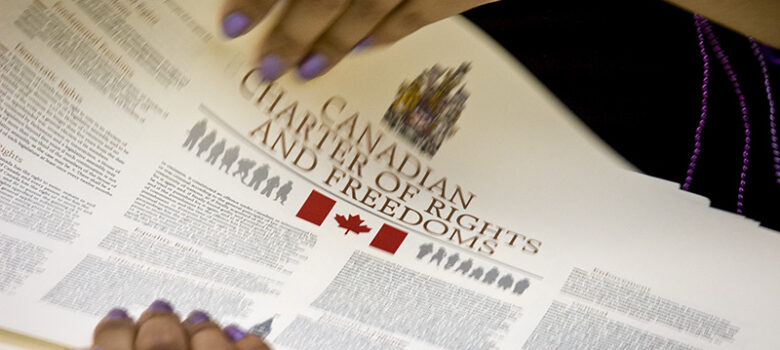
Four months ago this weekend, the government introduced Bill C-34, the Safe Social Media Act, with the headline promise to establish a social media ban for those under 16. The bill has attracted enormous attention from supporters and critics alike, yet the government still has not released the Charter statement that is supposed to accompany it. The Department of Justice Act requires the Minister of Justice to issue a Charter statement for every government bill that sets out its potential effects on Charter rights, with the express purpose of informing both Parliament and the public. Charter statements have been released for bills tabled after Bill C-34, including Bill C-36, the privacy reform bill that works in partnership with Bill C-34. Yet nothing has happened in four months on Bill C-34 and the social media ban.
While the law does not set a deadline for tabling a Charter statement, the delay is hard to explain given that much of the work has already been done. Bill C-34 is an updated version of the older Online Harms Act, the former Bill C-63, for which the government issued a Charter statement. Both bills include many of the same provisions, including the duty to act responsibly, the duty to make certain content inaccessible, the Digital Safety Commission’s inspection and information-gathering powers, the complaints process, and the administrative monetary penalties. Updating that analysis for a bill featuring many of the same provisions should not take four months.
One major difference is the ban on social media accounts for anyone under 16 and the age assurance system needed to enforce it. As I wrote in July, I believe the ban is unconstitutional. It is vulnerable on both freedom of expression and privacy grounds, since it blocks an entire cohort of Canadians from accessing information and expressing themselves on social media and requires millions to verify their age in order to access lawful content. The bill includes safeguards that could support a proportionality argument, but under the government’s implementation plan, many of the regulations and exemptions will not be operational when the ban takes effect. In other words, the ban will be implemented before those safeguards are operating.
I do not know why the statement has been delayed, but a plausible explanation is that the ban is difficult to defend. In fact, the French Constitutional Council struck down a comparable ban on substantially the same two concerns two months after Bill C-34 was introduced. Making the constitutional case for the ban will not be easy, as the government must explain why excluding every Canadian under 16 from designated services impairs expression as little as reasonably possible when the same bill contains design-based duties aimed at the same harms. Moreover, how is a population-wide age assurance requirement a reasonable intrusion on privacy when it will be implemented without a functioning Commission to apply the bill’s privacy criteria or any Privacy Commissioner review?
Charter statements are not legal opinions, and the Bill C-34 statement, whenever it comes, will undoubtedly argue that the ban complies with the Charter. That said, this bill is destined for a legal challenge if it becomes law in its current form. The government is legally required to table a Charter statement and second reading debate on the bill should not begin until it does so.
Related posts:
 Why the Government’s Plan for a Social Media Ban in Bill C-34 Is Unconstitutional
 Thanks For Joining the Movement: French Constitutional Council Strikes Down Kids’ Social Media Ban
 Taking Stock of Bill C-34: Five Things to Know About the Government’s Plan for a Kids’ Social Media Ban, Mandated Age Verification, and AI Chatbot Rules
 Big Money, Bigger Design Changes: What the Meta Settlement Means for Canada, Bill C-34, and the Age Verification and Privacy Risks That Remain