







For much of the past month, someone has been trying to break into my Apple account. I receive regular e-mail and text notifications confirming a password change, which are soon followed by spoofed phone calls with caller ID that purports to be from the company but likely originates from Russia. As my Globe and Mail op-ed notes, I know enough to ignore the calls, delete the messages, and ensure I have two-factor authentication enabled to help keep hackers out.
Latest Posts
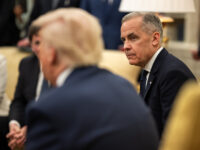
Culture Off the Table? What the Collapsed Canada-U.S. Trade Talks Reveal About the Carney Government’s Cultural Policy
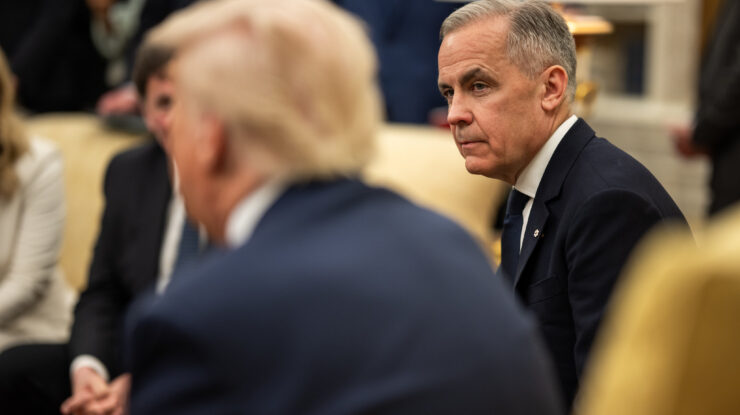
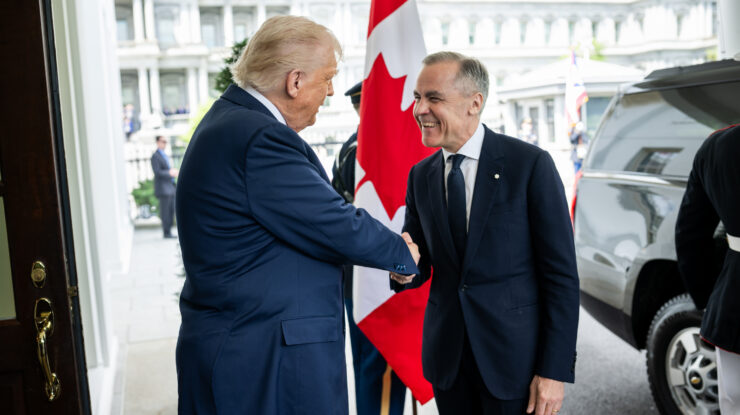
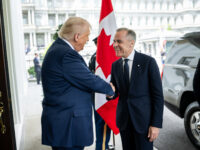
The Canada-U.S. trade talks collapsed on Friday night with 50 percent tariffs on billions of dollars in Canadian goods now in effect and Prime Minister Mark Carney promising dollar-for-dollar retaliation by early next month, supported by a strong sense of the need to defend Canadian sovereignty. The push for “digital trade alignment”, which I unpacked in a post last week, does not appear to have been a major source of contention, though Carney pointed to late U.S. demands on culture, autos, and sovereignty in a press conference over the weekend and the Globe reports that the inclusion of discoverability rule reforms was rejected by Canadian negotiators. But with the major outlines apparently agreed to, how can Canadians reconcile general agreement on digital policy with the government’s insistence that it would not budge on cultural protections?
Digital Trade Alignment: What May Be in Play in the Canada-U.S. Trade Deal
Less than two hours before new U.S. tariffs on Canada were set to take effect, U.S. President Trump last night announced a three-day pause, claiming there is a deal “subject to the finalization of documents.” Prime Minister Carney released a statement saying that substantial progress had been made, without offering much detail. But a congratulatory tweet from the U.S. Trade Representative offered one clue with significant implications for Canadian digital policy: the deal will include “digital trade alignment.” What might that mean? This post considers some of the possibilities.

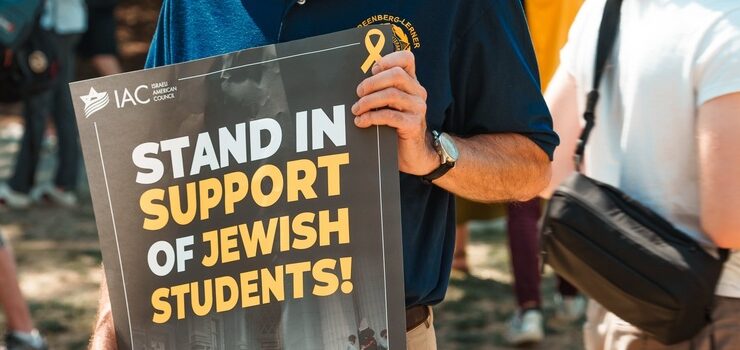
TMU Picks Damage Control Over Fixing the Damage: Behind Its Shameful Response to the Devastating Benotto Report on Campus Antisemitism
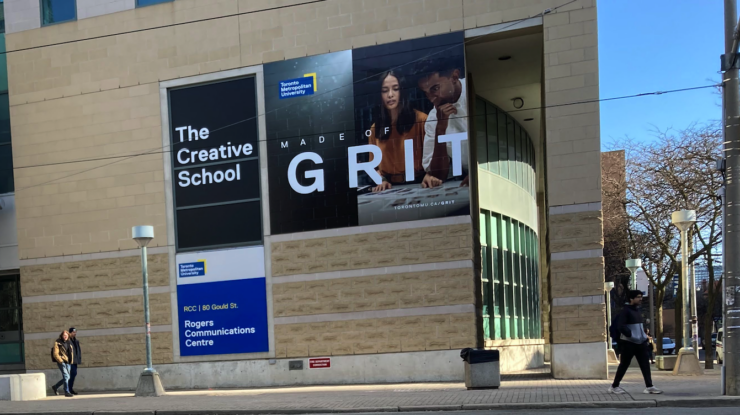
Last fall, two incidents at Toronto Metropolitan University attracted national attention: the September 2025 disruption by the group Students for Justice in Palestine at TMU of a Democracy Forum event featuring federal AI minister Evan Solomon that ended in an arrest, and the November 2025 storming of an off-campus event hosted by Students Supporting Israel that left the speaker hospitalized. TMU responded to mounting concern by retaining retired Ontario Court of Appeal justice Mary Lou Benotto to conduct a review of the incidents, assess the university’s policies and their application, and make recommendations for reforms. Her report, which the University released in redacted form last week, should spark two shockwaves. The first comes from the findings, which describe a campus with recurring antisemitism and the harassment of Jewish students and faculty with ineffective and inconsistent institutional response. The second comes from the university’s response to the report itself. TMU, despite having commissioned the review, now appears determined to delay and ultimately reject its recommendations. Indeed, rather than address the damage that leaves Jewish students and faculty feeling unsafe and subjected to routine harassment and discrimination, the university has opted for damage control that shamefully fails to respond to its antisemitism crisis.
Thanks For Joining the Movement: French Constitutional Council Strikes Down Kids’ Social Media Ban
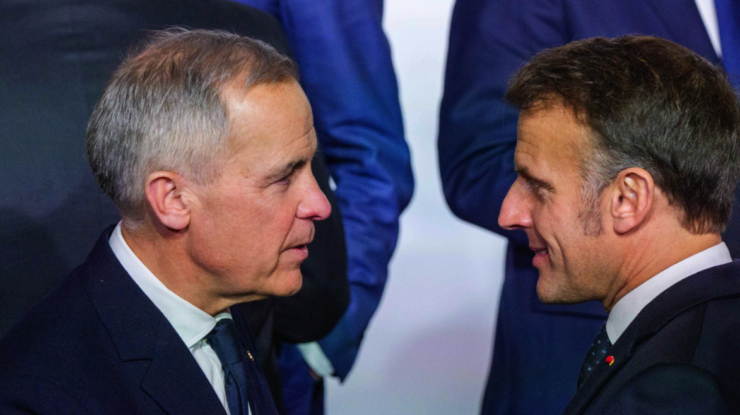
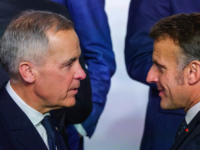
French President Emmanuel Macron has been the global leader in promoting a ban on social media for kids, consistently welcoming countries that propose such measures with a “thanks for joining the movement” tweet. That includes Canada, which received its congratulatory tweet after a ban was included in Bill C-34. As I argued last month, however, I believe the Canadian ban is vulnerable to constitutional challenge on at least two fronts: freedom of expression, since blocking an entire cohort of Canadians from accessing information and expressing themselves on social media infringes Section 2(b) of the Charter, and privacy, since enforcing the ban will require millions of Canadians to verify their age to use social media services with the promised safeguards nowhere in place when the ban takes effect. Last week, France became the first major jurisdiction to have such a ban reviewed by its highest constitutional court, and it proceeded to strike down the law on substantially the same two constitutional concerns.

Recent Posts
 Online Harms’ Forgotten Generation: Why the Government Needs to Pay Attention to Protecting Seniors
  Culture Off the Table? What the Collapsed Canada-U.S. Trade Talks Reveal About the Carney Government’s Cultural Policy
  Digital Trade Alignment: What May Be in Play in the Canada-U.S. Trade Deal
  TMU Picks Damage Control Over Fixing the Damage: Behind Its Shameful Response to the Devastating Benotto Report on Campus Antisemitism
  Thanks For Joining the Movement: French Constitutional Council Strikes Down Kids’ Social Media Ban
