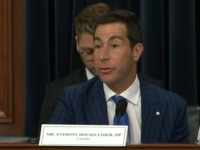
The Senate Bill C-11 hearings have provided a model for the much-needed, engaged, non-partisan inquiry that was largely missing from the House committee’s theatrics in which the government cut off debate on over 150 amendments. But this week those hearings attracted attention for another reason: serious charges of witness intimidation and bullying by government MPs, most notably Canadian Heritage Parliamentary Secretary Chris Bittle (yes, the same Bittle who last month suggested I was a racist and a bully for raising concerns about Minister Pablo Rodriguez silence over Canadian Heritage funding of an anti-semite as part of its anti-hate program).
The Globe and Mail reported late on Tuesday night that Bittle – together with his colleague, Liberal MP Lisa Hepfner – had sent a letter to the Lobbying Commissioner to seek an investigation into the funding of Digital First Canada, a group representing digital first creators. The letter may have been shopped around to other MPs as Liberal MP Anthony Housefather has told the Globe he did not sign it. DFC’s Executive Director, Scott Benzie, had appeared before the Heritage committee months ago and Bittle used his time to focus on the organization’s funding. Leaving aside the fact that government MPs reserve these kinds of questions only for critics of Bill C-11 (there were no similar questions this week from Ms. Hepfner to the Director of Digital Content Next, whose organization supports Bill C-18 and counts Fox News among its members), the timing of Globe story was incredibly troubling. The Lobbyist Commissioner letter was apparently filed nearly two months ago and Benzie had been assured that he was compliant with the law. Yet the story was presumably leaked to coincide with Benzie’s appearance before the Senate committee last night.