I appeared yesterday before the Standing Committee on Canadian Heritage via videoconference as part of its study on remuneration models for artists and the creative industry. The Heritage study is designed to provide additional context and information for the Industry committee’s copyright review. My opening statement is posted below. It focused on recent allegations regarding educational copying practices, reconciled the increased spending on licensing with claims of reduced revenues, and concluded by providing the committee with some recommendations for action. An audio version of the opening statement is posted here and embedded below.
Post Tagged with: "canadian heritage"

Misleading on Fair Dealing, Part 7: My Appearance Before the Standing Committee on Canadian Heritage

One-Sided Story: Lobbyist Data Shows Music, Movie and Publisher Groups Account For 80 Per cent of Registered Copyright Meetings in Canada Since 2015 Election
Canadian Heritage Minister Pablo Rodriguez travelled to Toronto last week, providing an opportunity for the newly-named minister to meet with cultural groups. With many of the biggest rights holder groups tweeting out the meet and greet (CMPA, Writers Guild, Access Copyright, ACTRA, ACP), the visit sent a signal that the new minister is readily available to hear creator community concerns. While Rodriguez should obviously take the time to meet with all stakeholders, an extensive review of lobbying records related to copyright since the 2015 election reveals that 80 per cent of registered copyright meetings for government officials, including policy makers, political staffers, Ministers and Parliamentary Secretaries, have been with rights holder groups. The behind-the-scenes imbalance runs counter to oft-heard claims regarding the influence of companies such as Google and suggests a diminished voice for education, innovative companies, and users on copyright policy.

Off the Rails: How the Canadian Heritage Copyright Hearings Have Veered Badly Off-Track
The Standing Committee on Canadian Heritage has conducted several weeks of hearings as part of its study on Remuneration Models for Artists and Creative Industries. While the copyright review is the responsibility of the Standing Committee on Industry, Science and Technology, the heritage committee was asked to conduct a study to help inform its work. The mandate was described in the following motion:

Against Copyright Balance: Canadian Heritage Officials Say It’s Time “To Move Beyond the Notion of Balance”
As the Standing Committee on Industry, Science and Technology (INDU) prepares for its first copyright review hearing next week featuring various representatives from the education community, MPs will regularly hear witnesses talk about the “copyright balance.” For Canadian copyright policy, balance has long been a foundational goal, regularly reflected in the views of both government and the courts. Yet according to a document obtained under the Access to Information Act, last fall officials at the Ministry of Canadian Heritage advised Minister Melanie Joly to abandon the emphasis on a copyright balance.
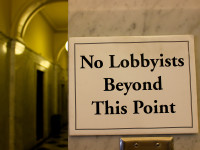
Canadian Heritage Minister Joly Hints Many Cultural Groups Don’t Comply With Lobbyist Reporting Rules
Canadian Heritage Minister Melanie Joly appeared before the Standing Committee on Canadian Heritage yesterday, facing questions from MPs on a range of digital culture issues. In light of reports this week on lobbying efforts by Internet companies, Joly was asked about meetings with companies such as Google. Joly defended her interactions by noting that the meetings included discussions on Canadian content and emphasizing that she has had hundreds of meetings with cultural groups. That isn’t particularly surprising, but what should raise concerns was her suggestion that the groups rarely register the meetings in the lobbyist registry as required by law.
Joly told the committee:
the reality is that it’s very rare that the cultural sector registers with lobbyists. I’ve had many more contacts with the cultural sector. I’ve had tens, hundreds of meetings with them throughout the country, in French or in English…I’ve had many more meetings with them than the platforms.

Recent Posts
 The Missing Charter Statement: Why Hasn’t the Government Explained How Bill C-34’s Social Media Ban Complies with the Charter?
  Three Years After October 7th: Living With the Shockwaves
  What If the U.S. Demanded This? The Cloud Provider Conditions Behind Canada’s EU Digital Pivot
  Ontario is Done Waiting for Universities to Act on Campus Antisemitism
  Is Compromise on Encryption Possible? Why Bill C-22’s “Minor Opening” Leaves the Central Question Unanswered
