The Globe and Mail reports that the Ontario Court of Appeal has upheld a $40,000 defamation award arising from Internet postings.
Court of Appeal Upholds Web Defamation Decision
2 Comments

Recent Posts
 The Missing Charter Statement: Why Hasn’t the Government Explained How Bill C-34’s Social Media Ban Complies with the Charter?
 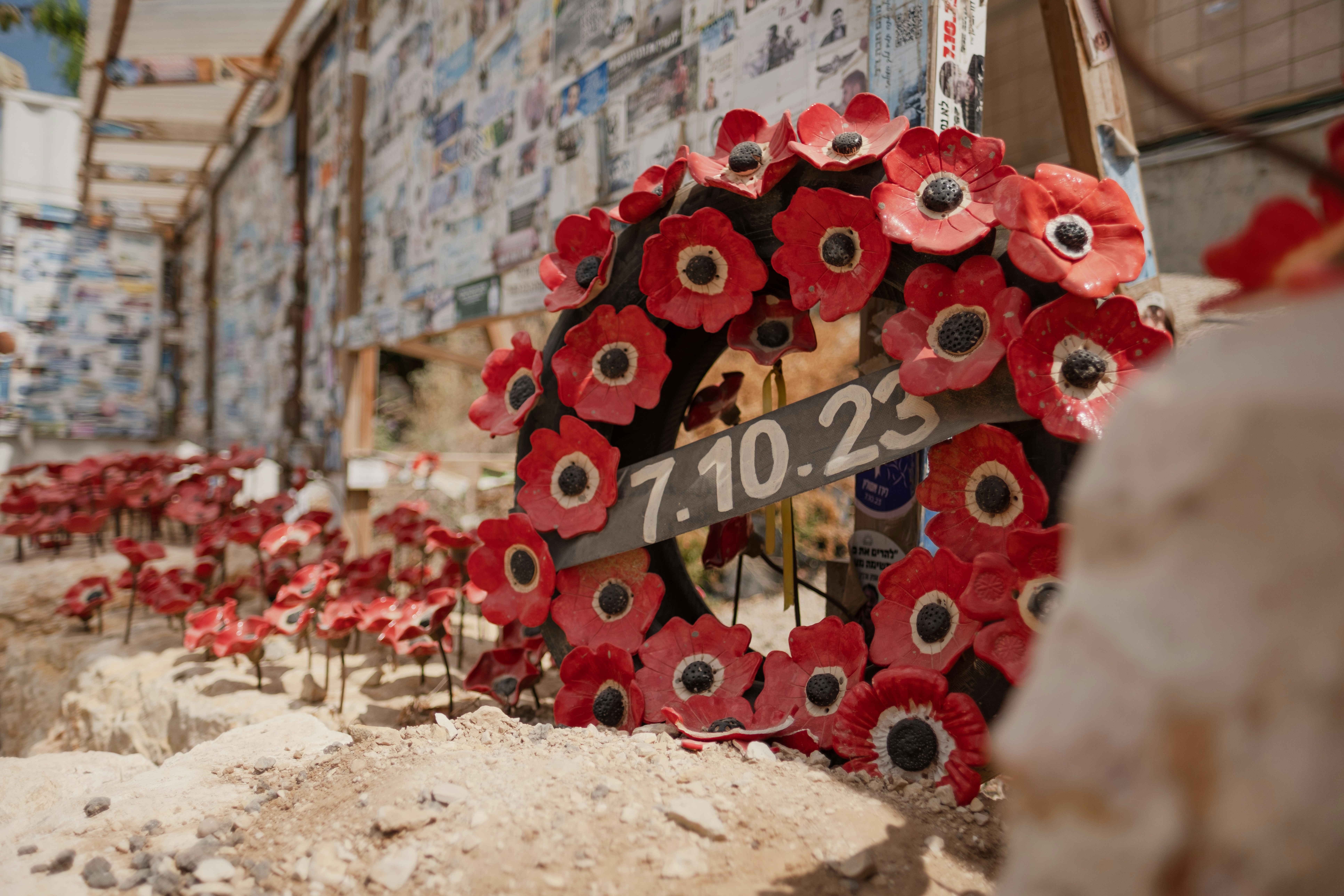 Three Years After October 7th: Living With the Shockwaves
  What If the U.S. Demanded This? The Cloud Provider Conditions Behind Canada’s EU Digital Pivot
  Ontario is Done Waiting for Universities to Act on Campus Antisemitism
  Is Compromise on Encryption Possible? Why Bill C-22’s “Minor Opening” Leaves the Central Question Unanswered

http://fakirscanada.spaces.live.com/default.aspx
The original article is still available on the printer-friendly page url:
http://sympatico.globeandmail.com/servlet/RTGAMArticleHTMLTemplate?tf=tgamv3/realtime/fullstory_print.html&cf=tgamv3/realtime/config-neutral&articleDate=20081216&slug=wwarman16&date=20081216&archive=RTGAM&site=Technology&configLabel=tech&hub=Technology
And Warman deserves what he got. ‘High priest’ of censorship and ‘hatchet man’ are merely abusive – but he deserves to go down for suggesting that a lawyer exploited his position as counsel for some entity or engaged in unethical activity – without compelling evidence to back it up. Warman was an easy target for a complaint of malice, actual and at law.
Marnie Tunay
Fakirs Canada
Recent decision from the Divisional Court about defamtion in a closed unpublished group
A precedent in Ontario is in making. According to recent reasons of ten Divisional Court, Martinek v. Dojc, 2011 ONSC 3795 (CanLII) the court said in the action for defamation within a closed , unpublished Yahoo! Group:
[34] The law of defamation in the context of the internet is developing, and is dependent upon the facts. I conclude that there is no definitive answer to the legal question of whether the comments were published on these facts of this case, and therefore it is preferable to refer the matter to trial so that the issue can be determined upon a full factual record. I thank the parties for their written submissions on this issue.
[35] There does not appear to be any case law to suggest that the manner in which the plaintiff became aware of the publication of the defamatory statements will be considered in the analysis of the claim. In any event, the appellant questions the assumption of the fact that he was a “trespasser†in the Reunion site and he raises in his submissions a myriad of other factual concerns. This issue, too, must be considered in the context of a trial with a full factual record.
I do not accept the submissions of respondent’s counsel that it is clear in the circumstances of this case that the allegedly defamatory statements were not published, or that the fact that the appellant was a trespasser precluded him from advancing the claim.
In para [36] the court also said:
The matter was sent back for re-trial before different judge for reason of unfairness that is a substantial wrong or miscarriage of justice